Swing Low, Sweet Harriet
An Abolitionist Raid On The Combahee River
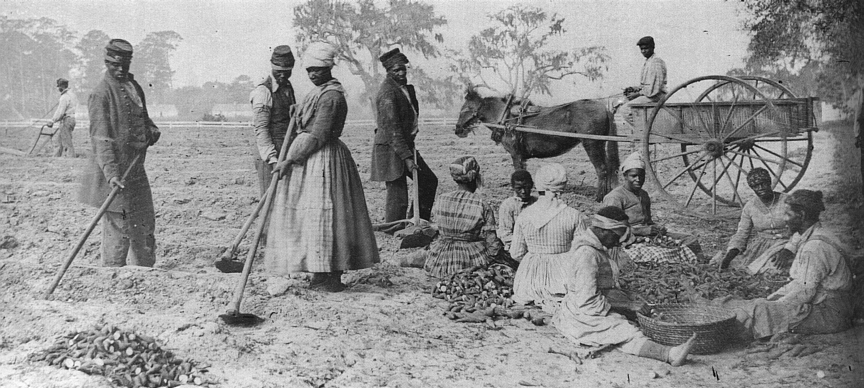
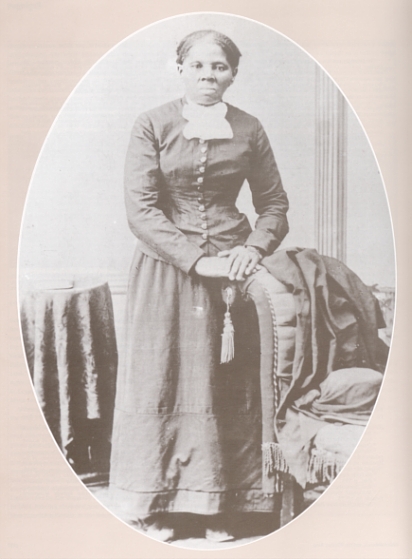
On June 2nd 1863, "General" Harriet "Moses" Tubman in answer to the Gullah spiritual "Swing Low, Sweet Harriet" swung low and led the 2nd South Carolina Volunteers of African Descent under the command of Col. James Montgomery on an Abolitionist raid on the Combahee river. The celebrated military action liberated over 700 Gullahs from slavery and many would go on to join the Union army.

Tubman's outstanding contribution to the war was as a Union spy and scout. General Hunter, the commander at Fort Royal, recognized her expertise, tempered by her years in the Underground Railroad; under him Tubman organized a scouting service of black scouts and river pilots who surveyed and patrolled the Combahee River area in South Carolina. 

Combahee River Plantations
Charleston Daily Courier 
The Mercury
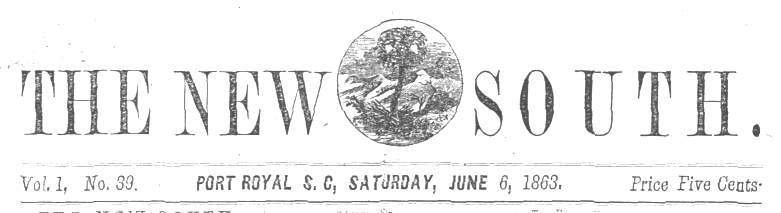
The New South
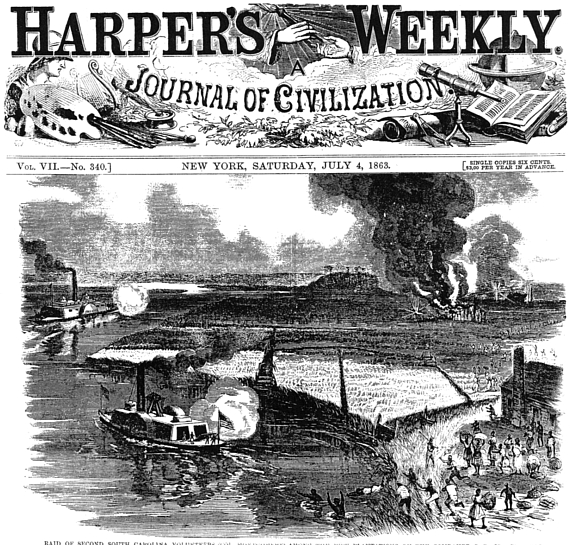
HARPERS WEEKLY
BOSTON COMMONWEALTH
Penn School for freedman
Carpenter Shops
Beaufort from the river
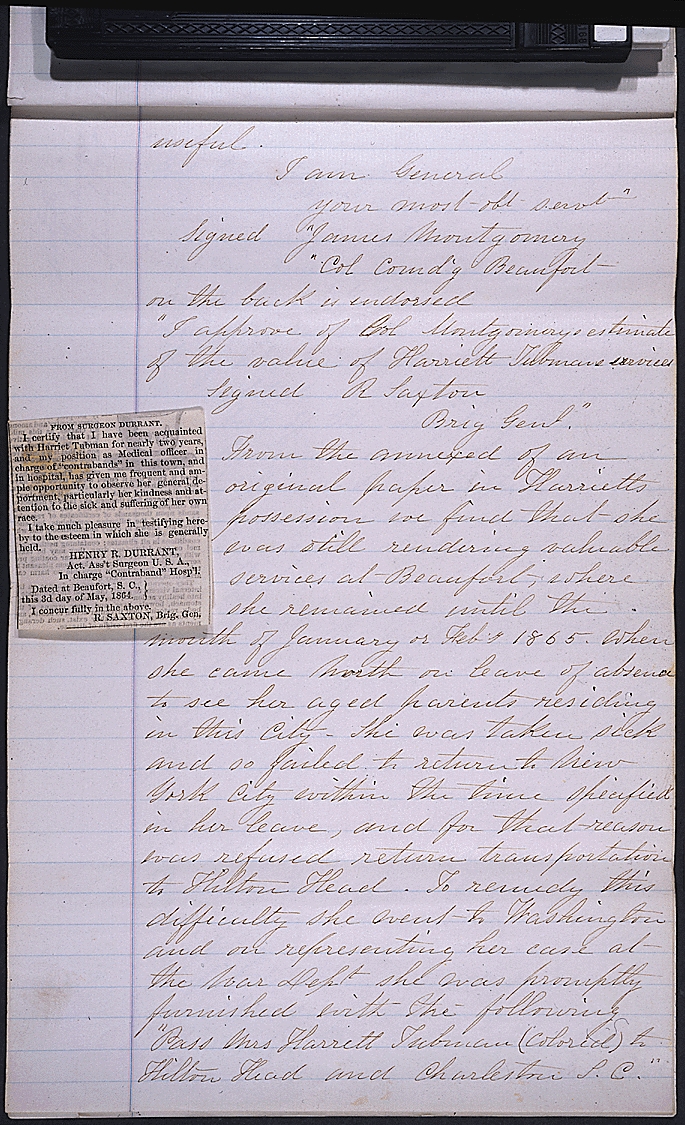
Contraband Hospital
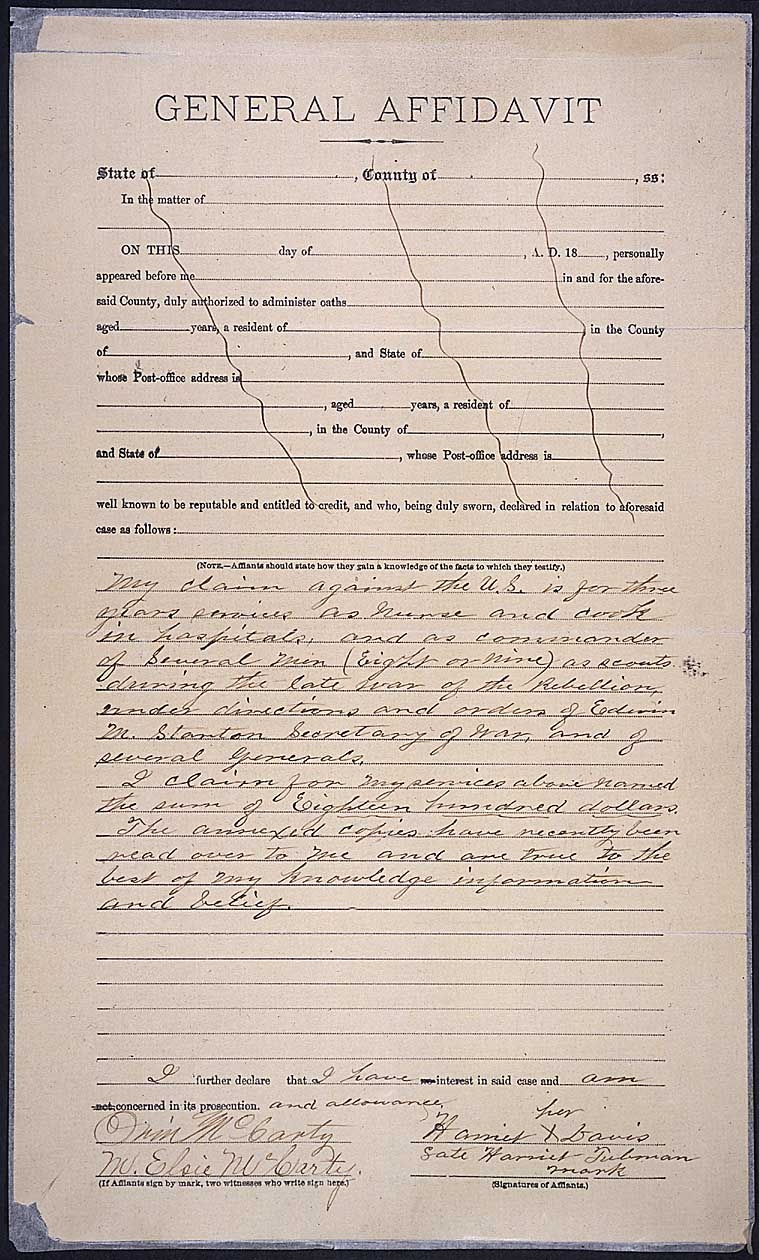
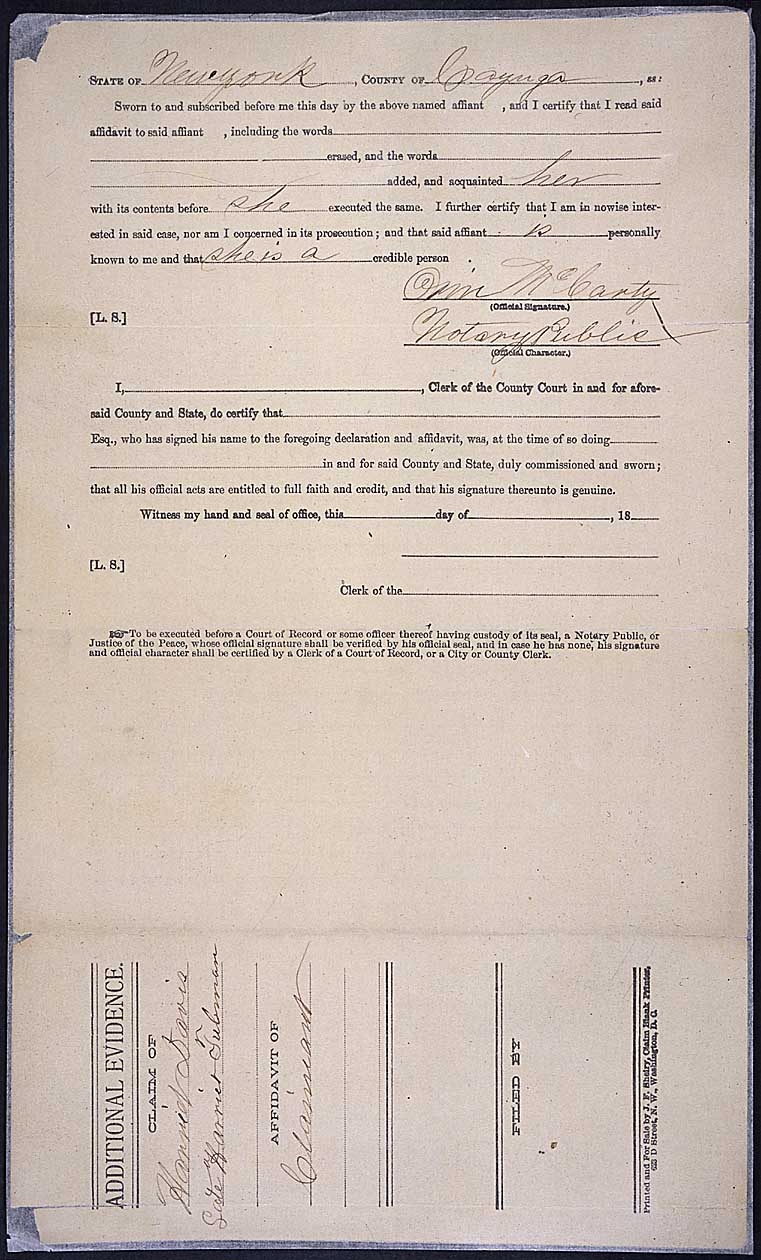
Secret Service Pay
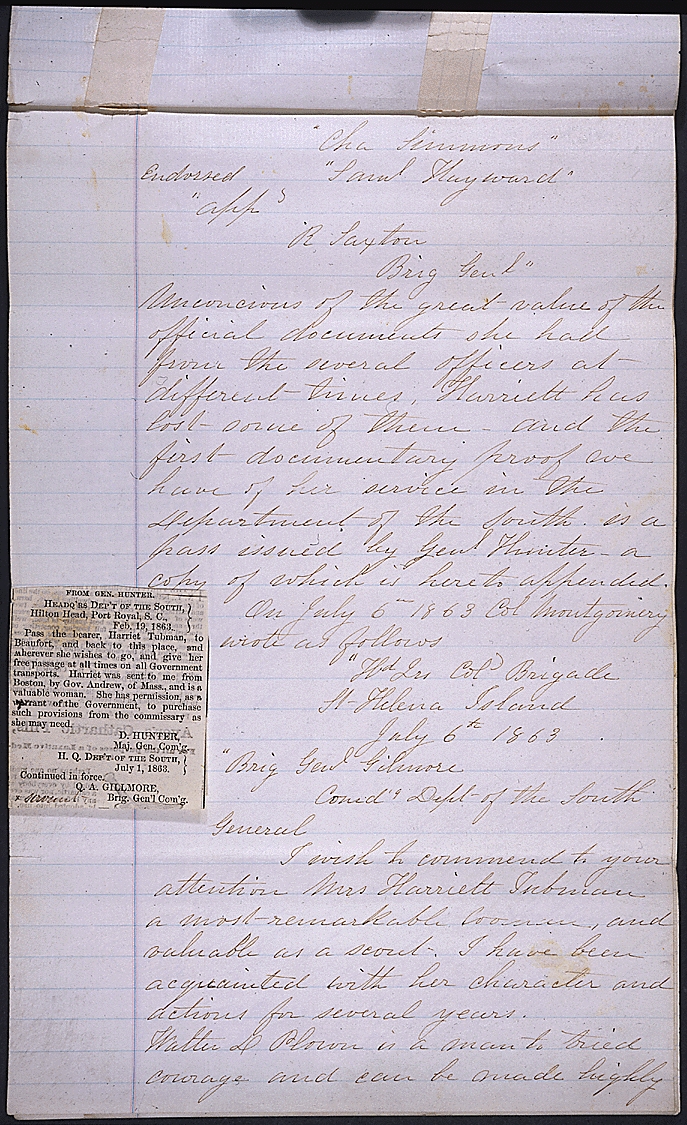
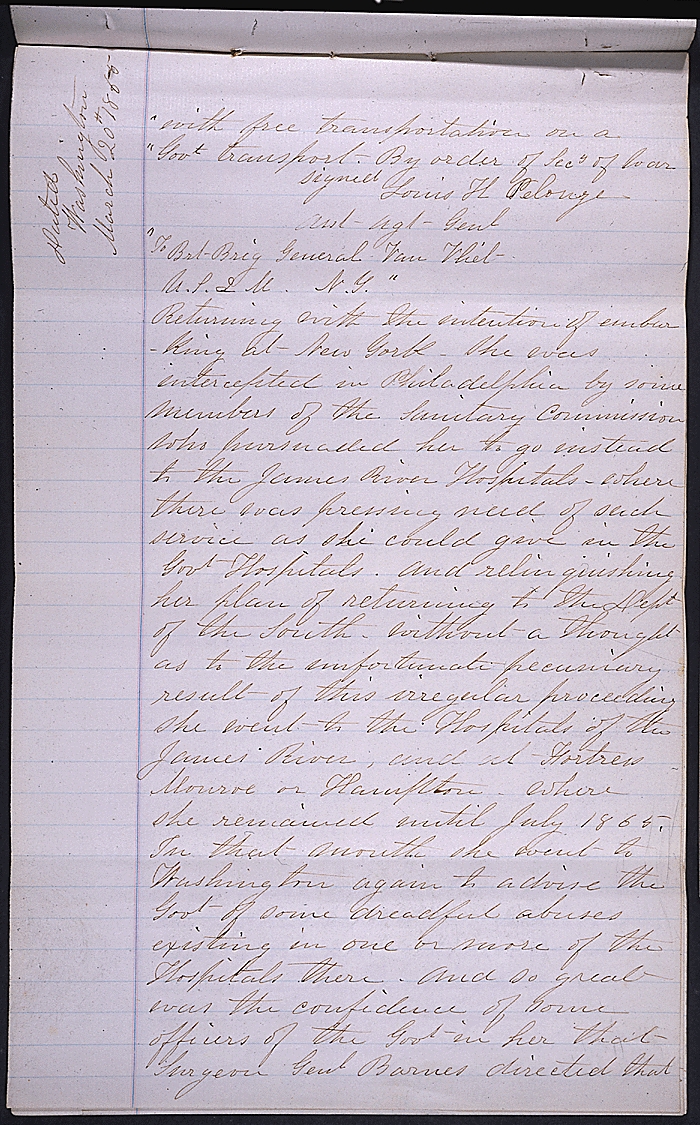
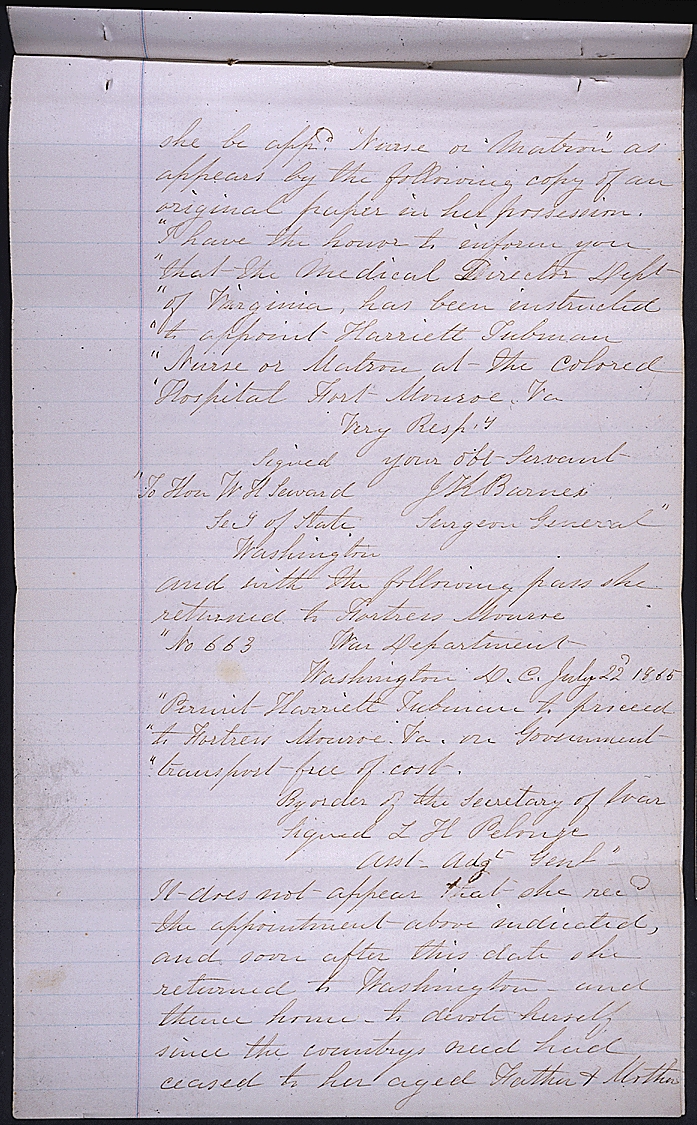
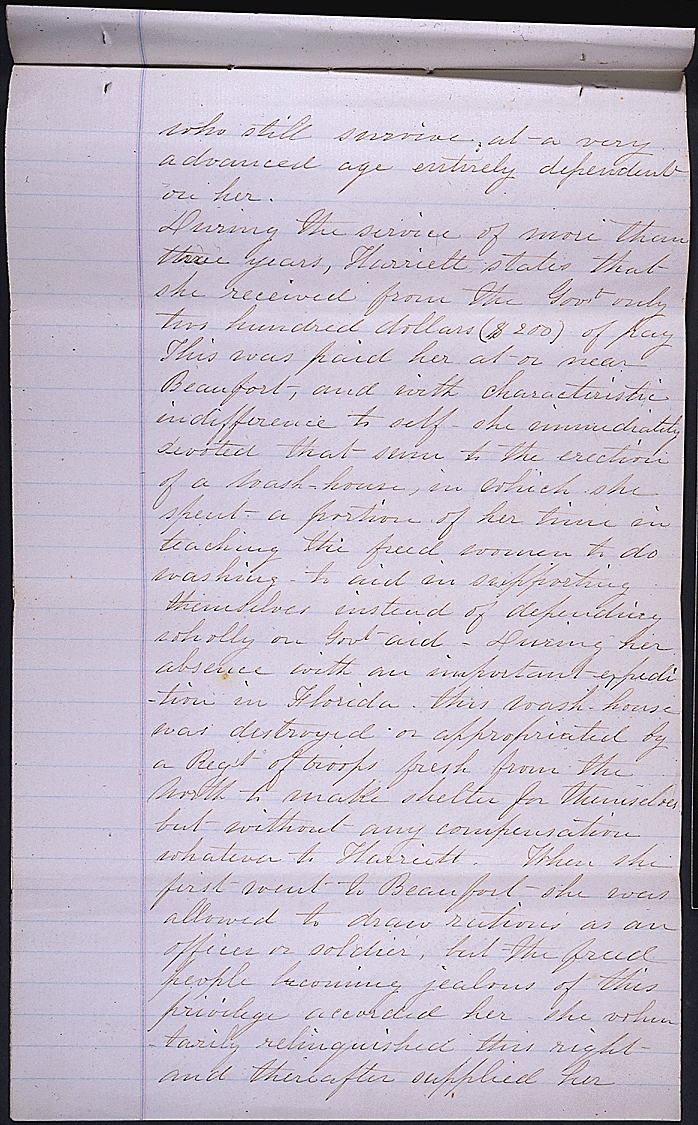
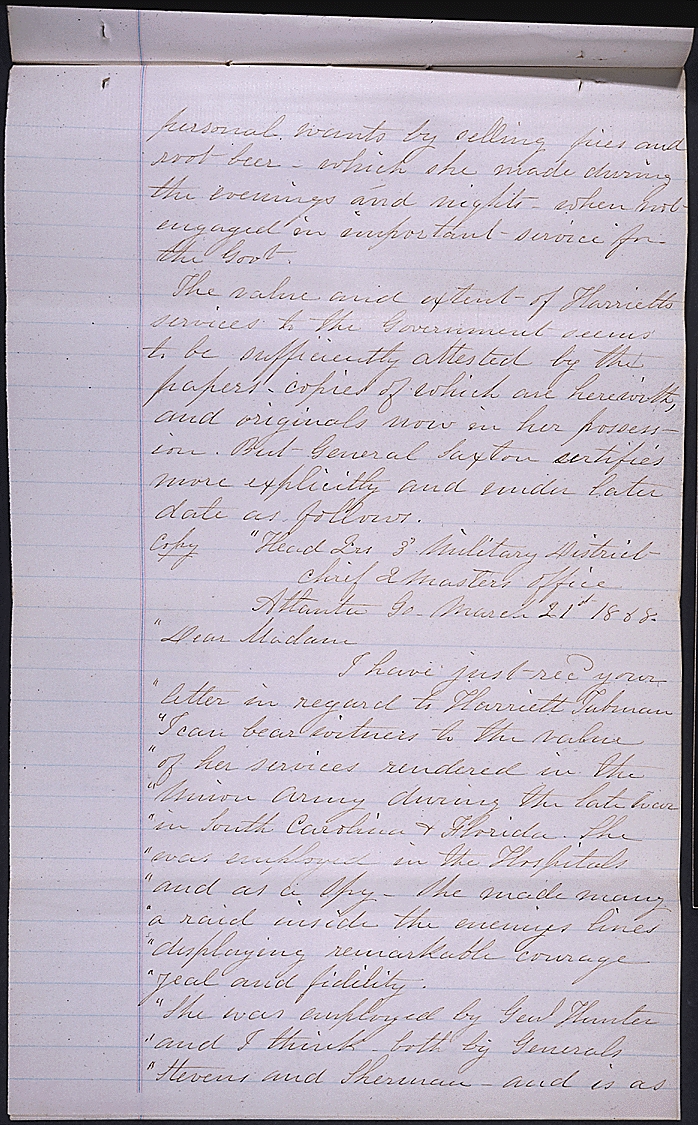
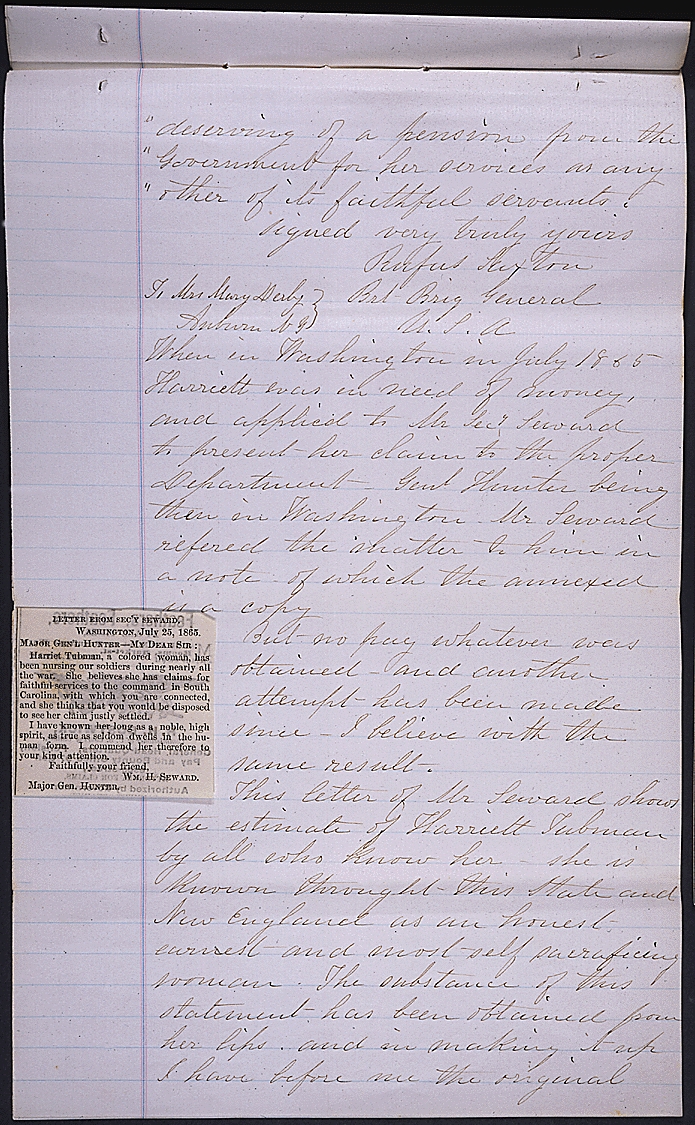
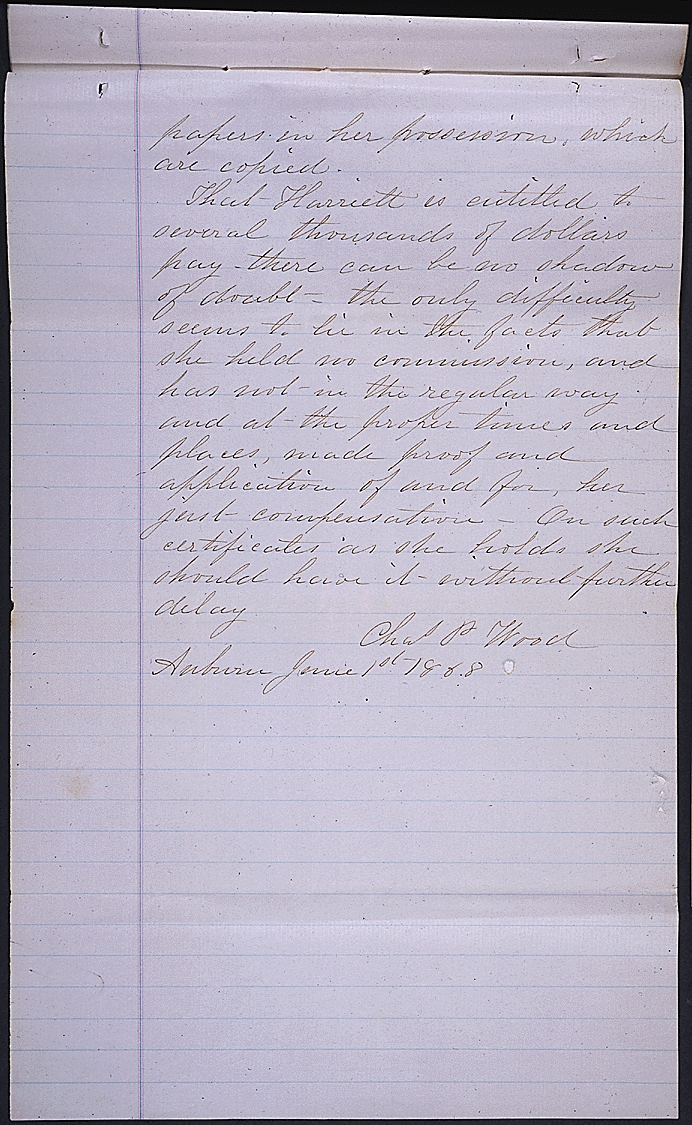
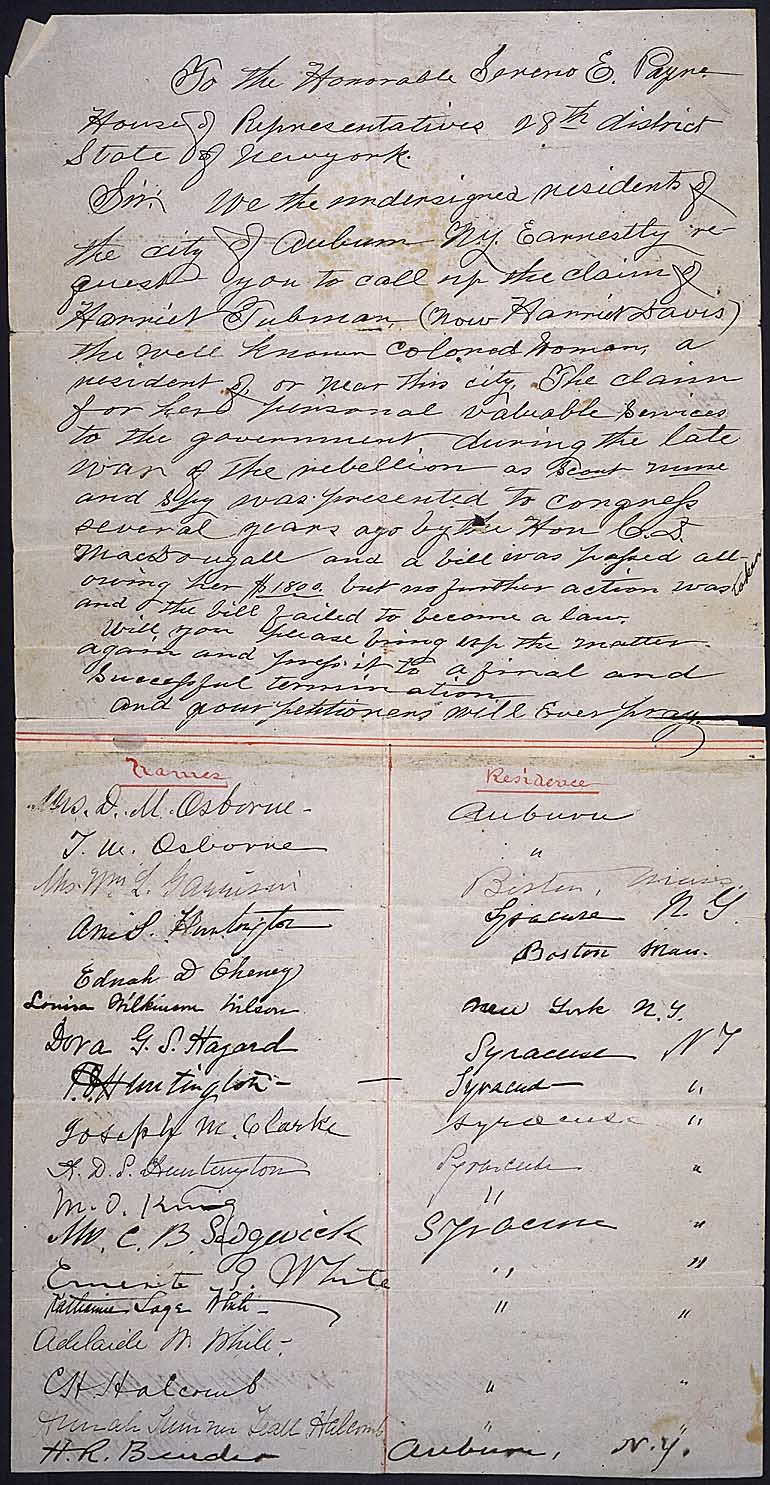
Petition for Harriet Tubman
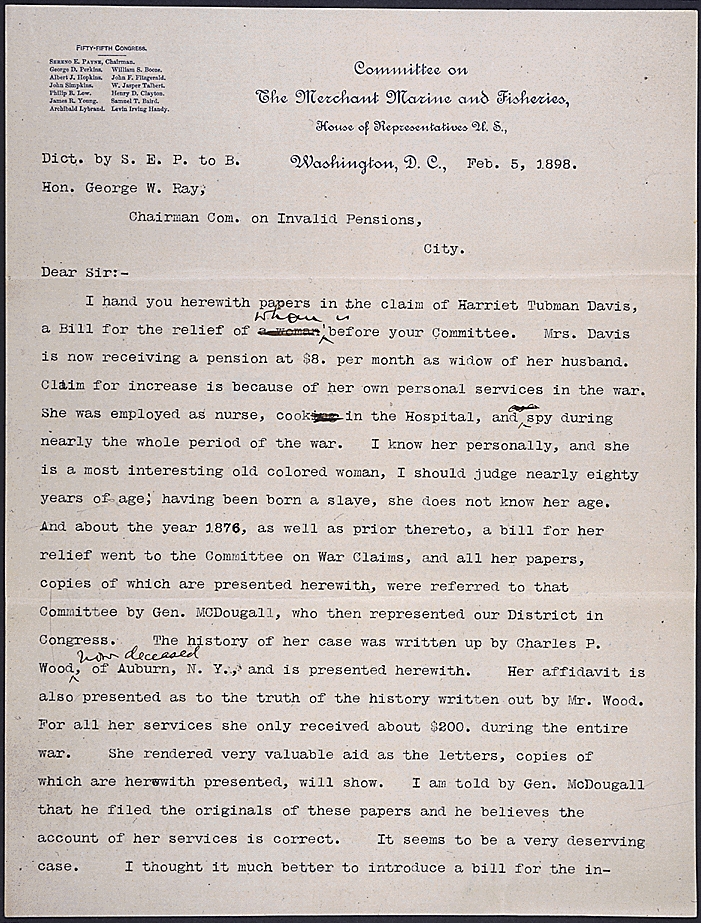
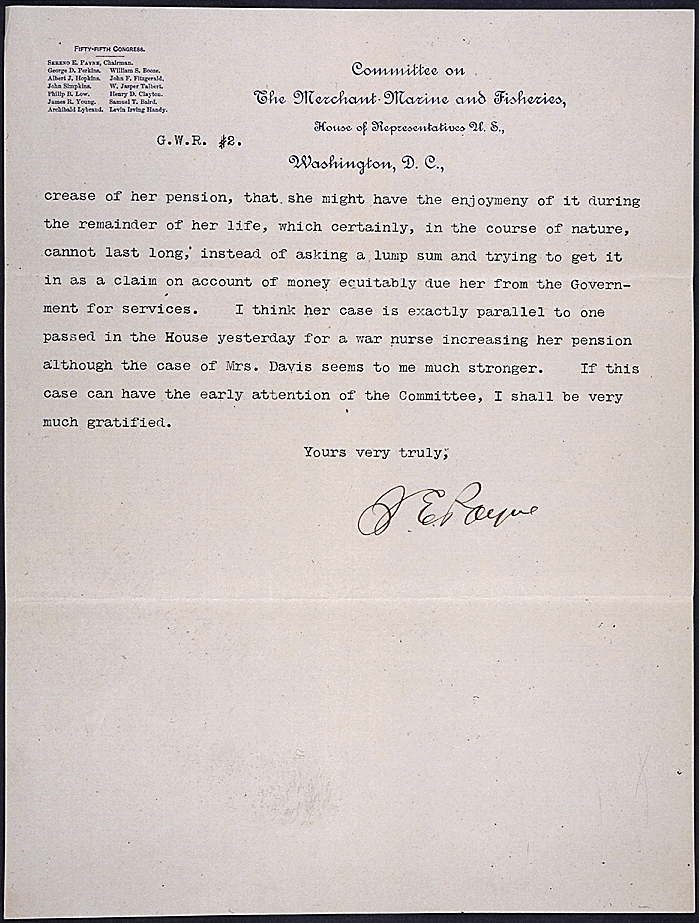
Pension
C.P. WOODS-History
Bill H.R. 4982
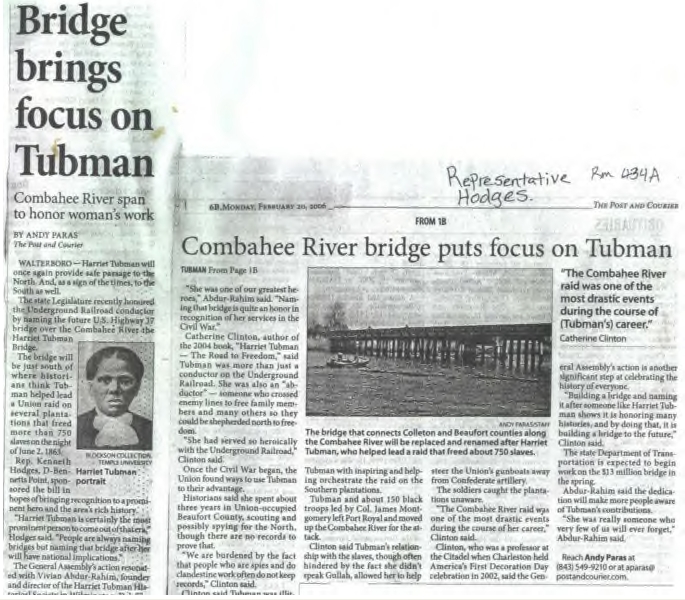
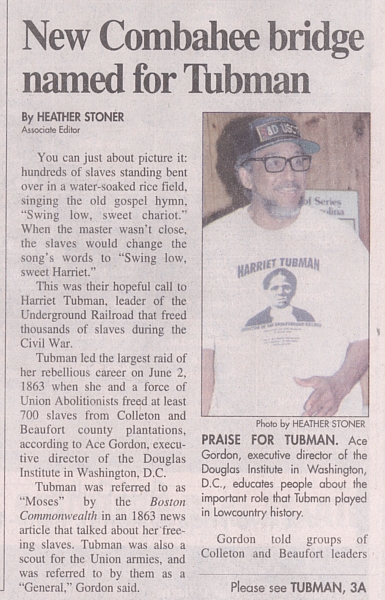
 TUBMAN BRIDGE >
Post and Courier
Beaufort Gazette
Press and Standard
Dispatch


Charleston  Daily  Courier

No.19.483.   CHARLESTON, S.C., CONFEDERATE STATES OF AMERICA, WEDNESDAY, MORNING, JUNE 3, 1863.     VOL. LXI.

CHARLESTON.

WEDNESDAY MORNING,  JUNE 3, 1863.


  Yankee Raid on Combahee- A dispatch from Pocotaligo Tuesday morning reported that a party of Yankees had made their appearience, and were destroying the pontoon bridge at Combahee Ferry, besides burning some houses on the banks. About three hundred, the dispatch said, had also landed at Fields point, propably by a division of a part of their force to cover the burning operations of the others on the Combahee River. Later in the day it was reported that the enemy, after visiting several plantations and destroying considerable property, had gone back. They were still hovering around, however up to the late hour in the evening. The force making the raid is belived to be small. They have kept close to their boats on the river banks. Our forces are prepared for them should they attempt to move further inland. It was reported last night that they had burnt the residence of Mr. A. BURNEY, and had visited the plantations of Mr. HEYWARD and Mr. BLAKE, and one or two others, during cosiderable mischeif. They are no doubt endeavoring to imitate the Abolition raids recently made in other Southern States.


Charleston  Daily  Courier

No.19.484.   CHARLESTON, S.C., CONFEDERATE STATES OF AMERICA, THURSDAY MORNING, JUNE 4, 1863.     VOL. LXI..


THE COURIER.

  The Yankee Raid on Combahee.- An official dispatch to General Jordan from General W.S. Walker, at Green Pond, 1: o'clock Thursday night, was received Wenesday morning, stating that the enemy had entirely disappeared.
 We have been furnished from a private source with the following particulars:
 A part of the enemy's force consisted of three companies of negroes commanded by white officers. One division landed at Field's Point, on the plantation of Dr. R. L. Baker, just at the mouth of the Combahee river, adjoining and running into Coosaw river. This party, after burning and destroying all the property on DR. BAKER'S plantation proceeded cautiously along the river bank, going through the bye-paths,&c., so as to keep under shelter of their gunboats.
 They afterwards visited respectively the Rice plantations of Mr. OLIVER MIDDELETON, Mr. A. BURNET, Mr. Wm. KIRKLAND, Mr. NICHOLS, Mr. PAUL, Mr. MANIGAULT, Mr. C.T. LOWNDES and MR. W.C. HEYWARD. Here they came up to the pontoon bridge at Combahee Ferry, about fifty miles fom this city, and burnt it. At each of the plantations visited, after pillaging what they could, they set fire to and destroyed the residences, barns and other buildings, together with such other property as they were unable to take away.
 A large quantity of Rice, established at between eight and ten thousand bushels, on Mr. NICHOL'S plantation, was destroyed. The costly and extensive library of Mr. NICHOLS, valued at $10,000 or over, was totally consumed with his residence. Between six and seven hundred negroes, belonging principally to Mr. W.C. HEYWARD and Mr. Lowndes, were carried off. It is also feared that some of the Overseers have been captured, as several are missing.
 After destroying the pontoon bridge at the Ferry and pillaging Mr. HEYWARD'S plantation, the parties retraced their steps and made their escape. There is no doubt but that this raid has been in contemplation for some time. About a fortnight ago, three negroes -one belonging to Dr. BAKER, one to Mr. O. MIDDLETON, and one to Mr. W.C. HEYWARD-ran away and escaped to the enemy, giving, it is supposed, the information which led to this raid.


Charleston  Daily  Courier

No.19.485.   CHARLESTON, S.C., CONFEDERATE STATES OF AMERICA, FRIDAY MORNING, JUNE 5, 1863.     VOL. LXI..

The Combahee Raid.

 We gather from several sources the following additional particulrs of this raid: 
 The boats came up to Mr. KIRKLAND'S place about seven o'clock in the morning and landed some twenty armed negroes, in Yankee uniform, and officered by a white man. They destroyed his dwelling house, steam threshing mill, winnowing house, blade house, over seer's house, mule and horse stables, and some twelve hundred bushels of rice, besides taking with them ninety of his most valuable negroes. They also drank and destroyed a large stock of old wines. On Mr. NICHOLS' place they burnt the dwelling house, threshing milll, overseer's, driver's and negro houses, and about seven thousand bushels of rice, put up in bags ready for shipment. About seventy-four of Mr. NICHOLS' negroes were taken. At Mr. LOWNDES' they burnt the threshing mill, but saved his residence. About two hundred of Mr. LOWNDES' negroes were carried off. 
 The party that visited Mr. Wm. C. HEYWARD'S place consisted of about twenty negroes. This party landed at Combahee Ferry bridge, which they cut and partly destroyed. At this place they burned every house on the premises, also the threshing mill, four large flats and flat house, a corn mill, from three to five negroe houses, a hospital and overseer's house. They carried off about two-hundred and fifty-negroes from Mr. HEYWARD'S plantation. After setting fire to the pontoon bridge, they then retired down the river. A slight skirmish took place at Fields Point with a few of the negroes, who ran with great speed upon being fired at with one piece of cannon.

 Mr. THOMAS FRIPP, who acted as guide for our men, was shot at by four negroes, who stepped out on the road and took deliberate aim at him. He was struck in the shoulder, arm and leg. 
 We are indebted to a friend for the following extract from a letter dated Green Pond, June 2: 
 The enemy came up to the pontoon bridge over the Combahee Ferry this morning; destroyed the bridge;anchored two gunboats and marched up to the adjacent plantations; burned Mr. Lowndes' mills and several out houses, also Col. W.C. Heyward's buildings, Joshua Nichols', Mr. Middleton's, Mr. Burnetts, Mr. Kirkland's and others; driving off from their premises as many of the negroes that could be enticed. Major Emanuel manoeuvred his command admirably for he was totally unaquainted with the country; but we missed Col. J. and the Fifth Regiment. Major Emanuel bushwacked them for some time. 
  Gen. Walker came down this afternoon with reinforcements. The General is here awaiting tidings from the front. Capt. Bomar has gone to Farr Bluff to try and intercept the enemy at that point as they pass out with their boats. The enemy number some four or five hundred. If the guns at Combahee Ferry could have been retained in battery at that point with a sufficient force to man them the dastardly miscreants never would have dared to penetrate the channel so far. The expedition was, however, from all we can learn, a preconcerted plan between the negroes on the plantations and the Yankees at Hilton Head, they having communicated to the enemy the situation of affairs between Ashepoo and Combahee. 
 The dilatory reports of the pickets and exaggerated accounts of the number and positions of the enemy threw everything into a blank-botch. 


Thomas Fripp was wounded in four places, durring the skirmish near Fields' Point, as the enemy withdrew. Their vessals were side wheel steamers, badly equipped. The troops were mostly negroes, commanded by white men. Montgomery, the Kansas Jayhawker, was said to be in command. 
 A small estimate of the damage done, considering the abandonment of the present crop of rice must be five or six millions of money. 
 Mr. Lowndes lost about three hundred negroes.-Mr. Nichols lost all of his, together with his fine library, which was burned with the dwelling Mr. Nichols himself escaped. 
 The Savannah News, of the 4th inst., furnishes the following concerning the Yankee-negro raid on the Combahee river: 
 Federal Raid in Carolina-The conductors and passengers by the Charleston Rail Road this morning, report that a considerable number of black Yankee troops made a raid on tuesday morning about six o'clock, on the Combahee river, near Green Pond; in the vicinity of Mr. Wm. H. Heyward's plantation. They destroyed several plantations, burning down the houses, destroying the fences and running off a large number of negroes. The exact number of negroes stolen is not known, but it is reported to be about one thousand. The raiders did not remain in the vicinity very long, but moved rapidly destroying everything in their path. They returned to their transports. They approached within five miles of the Charleston and Savannah Rail Road. It is said that this band of thieves are under the command of the notorious Montgomery, of Kansas notoriety. How long shall the Yankee nest of thieves and murderers on Hilton Head remain unmolested?
  Later -Since the above was in type, we have conversed with Mr. Wm. Bradley, an officer on the Charleston and Savannah Rail Road, who arrived here on Wednesday morning. He informs us that a regiment of negro troops came up the Combahee river in two transports, protected by three gunboats. 
  They landed at Wm. Henry Heyward's plantation about four o'clock in the morning, and proceeded to their work of destruction. There was a small picket in the immediate vicinity and with whom there was a brief skirmish. The only troops to oppose them was a cavalry corps and an artillery company, both of them being at some distance from the scene. The enemy numbered from nine hundred to one thousand. During the skirmish Mr. Fripp, qa citizen, was mortally wounded. The work of destruction was rapidly done, and everything before them was destroyed and given to the flame. The enemy were only on shore some six hours, having embarked again on their transports about ten o'clock. 
 The buildings and property on some ten plantations were destroyed. We learn the names of the following gentlemen as being among the sufferers:Wm. H. Heyward, Wm. O. Heyward, Mr. Kirkland, Mr. Burnett, Mr. Nichols, Robert Chisohm, the Estate of Keith, J.L. Paul, and others, whose names are not remembered. 
Charleston Daily Courier
MCKM-FILM
AN61.C5D3


Jos. H. Sears, Editor and Proprietor 

THE EXPEDITION UP THE  COHAMBEE.-On Monday evening last, five Companies of the 2nd  S.C., Vols., and a Section of Battery C. 3rd R.I. Artillery, Capt. Brayton, under the command of Col. Montgomery, started on an expedition, which had for its main object the recruiting of soldiers for the 2d S.C. Regiment.  The troops were put aboard the transports John Adams, the Sentinel, and Harriet A. Weed, and the expedition got away from Beaufort at about 9 o'clock, and without accident or detention, proceeded as far as St. Helena Sound, when the Sentinel got fast aground, and some time was consumed in transferring them from her to the Adams and Weed. At half past two o'clock the force arrived at the mouth of the Cohambee river, and pushed rapidly but silently up that stream without being discovered by the enemy. A portion of the force was landed at Field's Point, a place about 20 miles up the river, where was posted a rebel picket, which incontinently fled, leaving their blankets warm to our forces.  Capt. Thompson's Company was here posted in deserted breastworks by Col. Montgomery, and the balance of the force proceeded up the river in the two transports, to Tar Bluff, two miles above, where some deserted rifle pits were found, and Capt. Carver's company left to occupy them.    The two steamers again moved up the river to Nichol's plantation, a mile or two above, where the Weed was left in charge of Major Corwin, and the John Adams rapidly steamed up to Cohambee ferry, across which was a fine pontoon bridge.  This was taken up, but not before a rebel cavalry company had passed over while the guns of the Adams threw shells at them.  Obstructions across the river prevented the Adams from ascending still higher, and after the pontoon bridge was burned, she turned and passed slowly down the river again.  While the pontoon bridge was being destroyed, Capt. Hoyt's company was sent up the right bank of the river, to capture and destroy, and also to collect negroes.  Capt. Brayton with his section of Battery, started up the left bank.  Capt. Hoyt pushed on his little force, with skirmishers ahead, to Green Pond, where Col. Heyward ; resided, in magnificent style, in a mansion that equalled any on the main.  Col. Heyward managed to escape, but carried nothing with him. His horses were captured, his sabre taken--as he did not seem to have time enough to carry it with him, and a quantity of other movables borne away. 


 Large and extensivve rice mills and store houses, and cotton ware-houses were completely destroyed, and finally the mansion itself was burned. The quantity of rice and cotton burned was immense. While returning, a small body of rebel cavalry and sharp-shooters followed our forces at a respectful distance for a while, and then pressing Capt. Hoyt rather sharply, he drew up across the road, and made a stand.  Quite a skirmish ensued, the enemy pressing forward with spirit and determination. The negroes maintained their ground stoutly, keeping up a sharp effective fire, for half an hour, when the John Adams threw in some shell, and quickly dispersed the rebels.  The rebel's fire killed one of the best horses captured from Col Heyward's, but did not injure our men.  Capt Hoyt brought his company in, and got it aboard the John Adams safely. Capt. Brayton proceeded some distance up the left bank, capturing many horses mules and cattle, and destroying rice mills, store-houses containing cotton and rice, and bringing off all the negroes within hailing distance.  The rebel pickets, instead of falling back on a large rebel force on the Ashapoo river, had confined themselves to task of notifying the planters and negro drivers of the approach of the negro troops, and it required only a display of flags, and an uninterrupted pipe of the steam whistle to inaugurate a general stampede on the part of the slaves, to our boats and forces.  They the came to the river banks in droves, in spite of efforts of the drivers to the contrary, who , pistols in hand, decreed death to the first one who disobeyed their orders to follow them, and take to the woods.  There were men, women and children, eager for liberty; and all found refuge under the "stars and stripes". 
  Capt. Carver's company at Tar Bluff was attacked by the rebels during the absence of the main body under Col. Montgomery, but he succeeded in holding them at bay until the Adam's came, when a few well-directed shells drove them back and totally dispersed them.  Capt  Thompson's company was compelled to undergo a sharp contest, in which their ammunition was nearly exhausted, against a force of cavalry and one piece of artillery.  The Adams shelled them off.  No one was hurt. 
  After gathering all the troops, and taking on board 727 negroes, men, women and children, and a few fine horses, the expedition returned to Beaufort, where a tremendous reception awaited them.  All the darkies in town were in the streets, gazing with unaffected surprise and admiration at the strange spectacle of several hundred genuine contrabands, in their field suits of dirty gray, but with every lineament beaming with that intelligence, which is inseparable with plantation negroes enjoying their freedom. 
  The contrabands were placed in one of the Beaufort Churches, temporarily, but will be distributed, on general principles, in a few days.  All the able-bodied negroes rescued from slavery, are to be placed in the 2d S.C. Vols.  They will be strong enough in numbers to form two companies. 


Raid of Second South Carolina Volunteers(Col. Montgomery) among the Rice Plantations on the Combahee,S.C. ...427
A RAID AMONG THE RICE PLANTATIONS.
 
  On page 429 we illustrate the recent raid of Colonel Montgomery's Second South Carolina Volunteers (colored) among the Rice Plantations of South Carolina. The author of the sketch which we reproduce, Surgeon Robinson, writes as follows:
 St. Simon's Island, Georgia, June 8, 1863.
    "I inclose you a sketch of the operations of Colonel James Montgomery (formerly of Kansas), of the Second South Carolina Volunteers (colored), in the interior of South Carolina, among the rice plantations on the Combahee.
    We destroyed a vast amount of rice, corn, and cotton, stored in the barns and rice-mills , with many valuable steam-engines.  We broke the sluice-gates and flooded the fields so that the present crop, which was growing beautifully, will be a total loss.  We carried out the President's proclamation too, and brought away about 800 contrabands, 150 of whom are now serving their country in the regiment which liberated them.  The rest were old men, women, and children.  The rebel loss from our visit must amount to several millions of dollars.  We are now about commencing operations on the Georgia coast.
    We skirmished all day with the rebels, but escaped without the loss of a man.  Their cavalry killed and wounded some of the slaves as they swarmed to the protection of the old flag."


Boston Commonwealth

                                  BOSTON                           JULY 10, 1863                      NUMBER 45

HARRIET TUBMAN

  Col. Mongomery and his gallant band of 300 black soldiers, under the guidance of a black woman, dashed into the enemy's country, struck a bold and effective blow, destroying millions of dollars worth of commissary stores, cotton and lordly dwellings, and striking terror to the heart of rebeldom, brought off near 800 slaves and thousands of dollars worth of property, without losing a man or receiving a scratch!  It was a glorious consummation.

   After they were all fairly disposed of in the Beaufort church, they were addressed in strains of thrilling eloquence by their gallant deliverer; to which they responded in a song - 

  "There is a white robe for thee."
A song so appropriate and so heartfelt and cordial as to bring unbidden tears.

   The colonel was followed by a speech from the black woman who led the raid, and under whose inspiration it was originated and conducted.  For sound sense and real native eloquence, her address would do honor to any man, and it created a great sensation.

   And now a word of this woman - this black heroine - this fugitive slave.  She is now called "Moses" having inherited the name for the many daring feats she has accomplished in behalf of the bondmen and the many slaves she has set free.  She was formerly a slave in Virginia - she determined upon "freedom or death", and escaped to Canada.  She there planned the deliverance of all her kindred, and made nine successive trips to different slave states, effecting the escape of over 100 slaves and their successful establishment in Canada.  Since the rebellion she has devoted herself to her great work of delivering the bondmen, with an energy and sagacity that cannot be exceeded.  Many and many times she has penetrated the enemy's lines and discovered their situation and condition, and escaped without injury, but not without extreme hazard. 

  The above, from a correspondant of the Wisconsin State Journal, will remind many of our readers of their interviews with the heroine here mentioned,--Harriet Tubman.  She has a more remarkable history than any fugitive we have ever met, some portions of which we shall give in our next issue.  She is of unmixed negro blood, was born in Maryland - not Virginia - and has brought her rescued country people chiefly from the Eastern shore of Maryland, in the neighborhood of Cambridge.  Her religious experiences are as startling as those of Sojourner Truth, whose letter we printed last week.


Department of the South, Letters Transmitted, entry 4088, vol. 13, file 1566, pt.1. RGT 393


The Press and Standard Serving Collenton County, S.C., since 1877 - Friday, September 1, 2006


Derrell J. Chandler

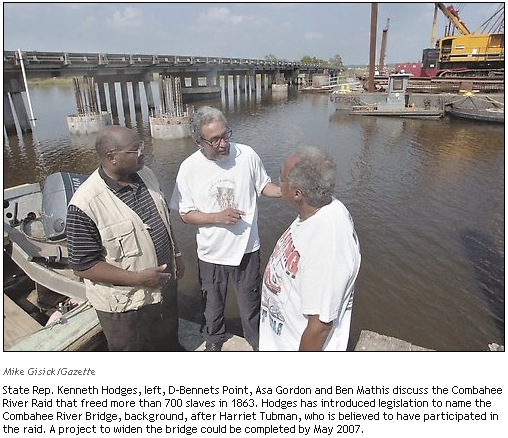
Two forces for good converged on Tuesday, August 29, 2006 to help make the Beaufort community aware of the richness of their history at the LY Bensons Gallery & Studio, located at 211 Charles Street.  One was Kenneth Hodges, pastor of Faith Tabernacle and State Representative of District 121; the other, Asa Gordon, historian, researcher, and the Secretary General of the “Sons & Daughter of the United States Colored Troops”.

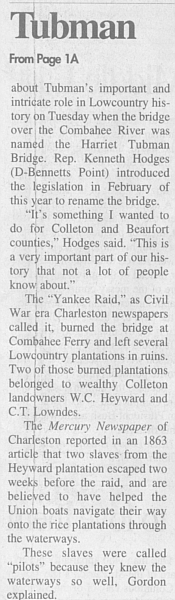
Today we learned that with only seventeen days in office, Representative Hodges was able to get a resolution passed to honor Harriet Tubman’s contribution to the winning of the Civil War and her extraordinary work as the “Moses” of the enslaved humanity of the South before and during the war.  The resolution dated February 16, 2006, promises to name the new bridge being built across the Combahee River along US highway 17 in Colleton County, “The Harriet Tubman Bridge”.

A celebration is planned for June 2nd, 2007 to commemorate the raid on the Heywood Plantation in which Harriet Tubman freed over 700 slaves, many of whom went on to join the United States Colored Troops.  It is reported that at one time Harriet Tubman had at least 300 soldiers under her command during this period of “guerrilla warfare”. 
...
Asa Gordon presented this and other clear, undeniable evidence that Harriet Tubman Davis was not only a nurse, guide, cook, navigator and scout during the Civil War she was indeed a well paid spy, recruiter and abolitionist as well. The evidence came from a receipt found in the National Archives awarding her $100.00 “Secret Service” compensation from the United States (Jan. 7th, 1863).

http://www.ctdispatch.com/August_31_2006/moses.html